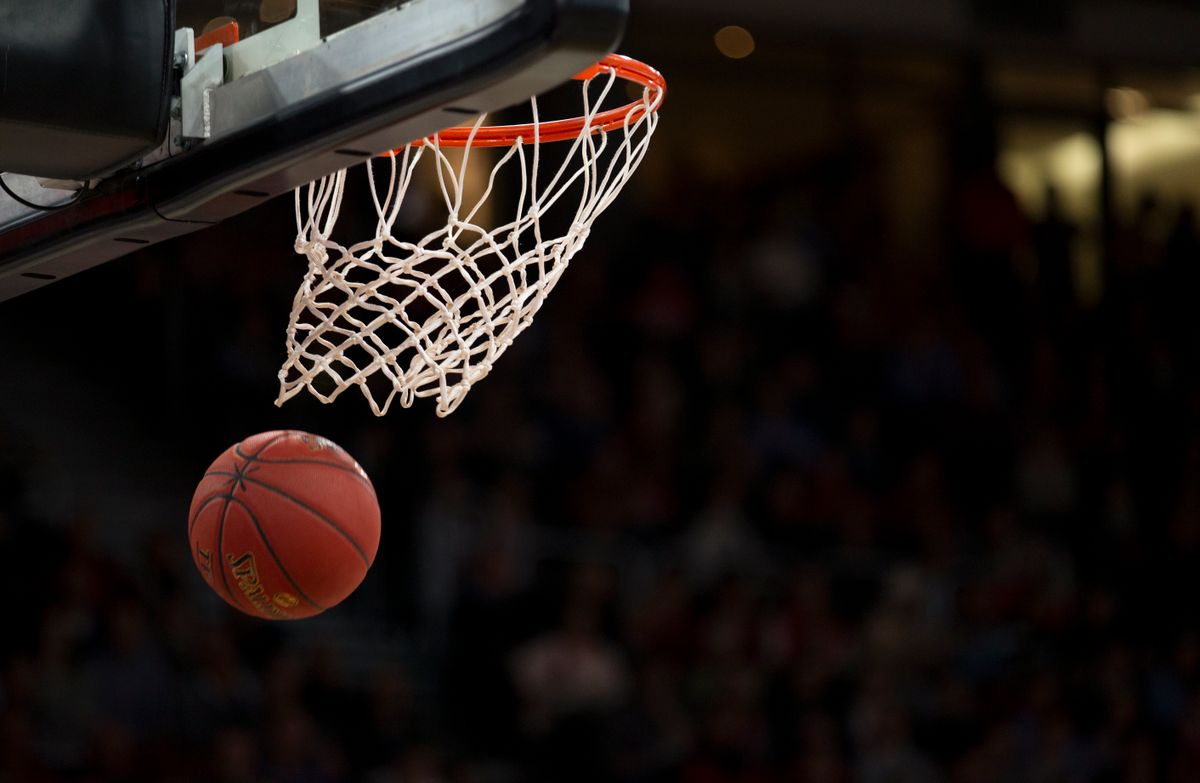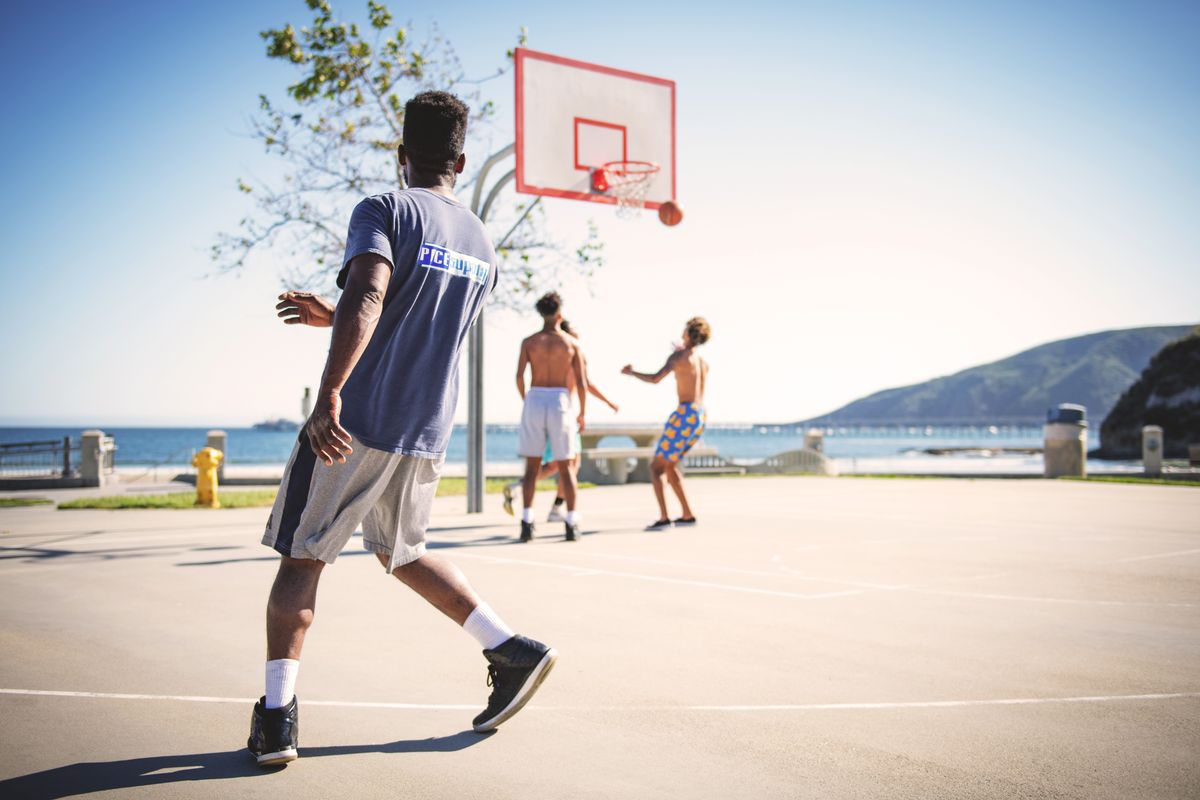
Basketball is played with five players per team on the court, and traditionally each has a distinct role and position. While the modern game has blurred these lines considerably, understanding the five classic positions is still the best way to grasp how a team is structured and how it works together. Let us go through them from the smallest, quickest players to the tallest.
The point guard, often called the "one," is typically the shortest player on the team but one of the most important. The point guard is the team's floor general, responsible for bringing the ball up the court, organising the offense, and setting up teammates with passes. A great point guard has excellent ball-handling, court vision, and decision-making, seeing plays develop before they happen and delivering the ball to the right player at the right moment. Think of the point guard as the quarterback of the basketball team, the primary playmaker who controls the tempo of the game.
The shooting guard, or "two," is usually a bit taller than the point guard and, as the name suggests, is often one of the team's best outside shooters and scorers. Shooting guards are relied upon to score points, particularly from mid-range and beyond the three-point line, and to help create their own shots. Many of the most famous scorers in basketball history have played this position. A good shooting guard combines shooting accuracy with the athleticism to attack the basket and the ability to defend the opponent's perimeter players.
The small forward, or "three," is one of the most versatile positions on the court, often requiring a blend of the skills of both guards and bigger players. Small forwards are typically strong, athletic, and capable of scoring in many ways, shooting from outside, driving to the basket, and finishing near the rim, while also contributing on defense and rebounding. Because they must do a bit of everything, small forwards are often among a team's most complete and valuable players.
The power forward, or "four," is one of the two "big men," taller and stronger players who operate closer to the basket. Traditionally, power forwards did much of their work in the painted area near the hoop, scoring on close-range shots, grabbing rebounds, setting screens, and defending the interior. In the modern game, however, many power forwards have developed the ability to shoot from long range too, stretching the defense and adding a new dimension to the role.
The center, or "five," is usually the tallest player on the team and plays closest to the basket. Centers are the anchors of both offense and defense in the paint. On offense, they score on close shots, catch passes near the rim, and use their size to overpower defenders. On defense, they are the last line of protection, blocking shots, contesting drives, and dominating the boards with rebounds. A commanding center can control the area around the basket at both ends of the court.
In recent years, the sport has moved toward "positionless" basketball, where the rigid boundaries between these roles have softened. Tall players are now often expected to shoot from distance and handle the ball, while guards may be asked to rebound and defend bigger opponents. Versatility is prized, and many stars comfortably play several positions.
Still, the five traditional positions remain the essential framework for understanding the game. Once you know the playmaking point guard, the scoring shooting guard, the all-round small forward, the strong power forward, and the towering center, you can see how a basketball team fits together, and appreciate how modern players are increasingly breaking those moulds.
About James Carter
James Carter is a sports journalist covering Basketballand major international sporting events. Their work focuses on analysis, athlete performance, tournament coverage, and breaking sports news.