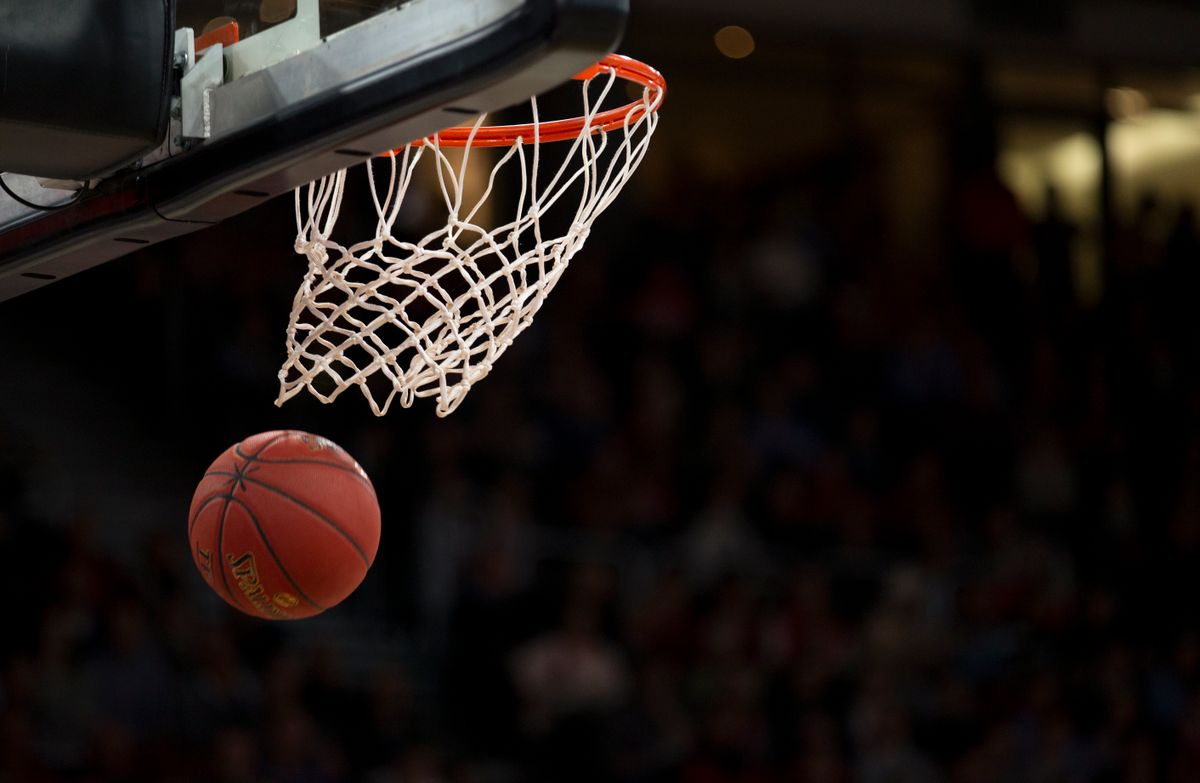
Basketball is fast, high-scoring, and easy to enjoy, but a few core rules explain almost everything you see on court. Once you understand scoring, fouls, and the shot clock, the game becomes far easier to follow.
Scoring is built on three values. A regular field goal is worth 2 points when a player scores from inside the three-point line. A shot made from behind the three-point arc is worth 3 points, which is why long-range shooting has become so valuable. A free throw, an unopposed shot taken from the free-throw line after certain fouls, is worth 1 point. Add these together and you have every score in the game: a "three" plus a "two" plus a free throw is a six-point swing built from those three simple values.
The three-point line is set at a fixed distance from the basket (about 23 feet 9 inches at the top of the arc in the NBA, and shorter in college and international play). Stepping on or over the line turns a "three" into a "two," which is why footwork matters so much for shooters.
Fouls are the game's main form of contact control. A personal foul is called for illegal contact such as pushing, holding, or hitting a shooter's arm. In the NBA, a player who commits six personal fouls is disqualified for the rest of the game (five fouls in college and international basketball), so managing fouls is a real tactical concern. When a team commits too many fouls in a period, the other team enters the "bonus" and is awarded free throws even on non-shooting fouls. If a player is fouled while shooting, they get free throws: two if they were attempting a two-pointer, three if attempting a three, and if the shot still goes in, the basket counts plus one free throw (the famous "and-one").
The shot clock is what keeps basketball relentless. A team has a limited time to attempt a shot once it gains possession, 24 seconds in the NBA. The shot must at least hit the rim within that time or possession is lost. This rule, introduced in the 1950s, transformed basketball from a slow, stalling game into the fast, continuous sport it is today. After an offensive rebound, the clock typically resets to a shorter period rather than the full 24.
Game length varies by level. The NBA plays four 12-minute quarters, international (FIBA) games use four 10-minute quarters, and US college basketball uses two 20-minute halves. If the score is tied at the end, the game goes to overtime periods until a winner emerges.
A handful of other rules shape play. Traveling is called when a player moves their feet illegally without dribbling. A double dribble occurs if a player dribbles, stops, and dribbles again, or uses two hands at once. The offensive team generally has a few seconds to advance the ball past half court and cannot camp in the painted area near the basket for too long (the "three-second" rule). Goaltending prevents defenders from swatting a shot on its downward path to the rim.
Understanding these fundamentals changes how you watch. You start to see why a team races up the court with the shot clock winding down, why coaches worry about a star player's foul count, and why a single deep three can shift momentum instantly. Basketball's beauty is in that constant tension between the clock, the contact rules, and the simple math of two points, three points, and one.
About James Carter
James Carter is a sports journalist covering Basketballand major international sporting events. Their work focuses on analysis, athlete performance, tournament coverage, and breaking sports news.