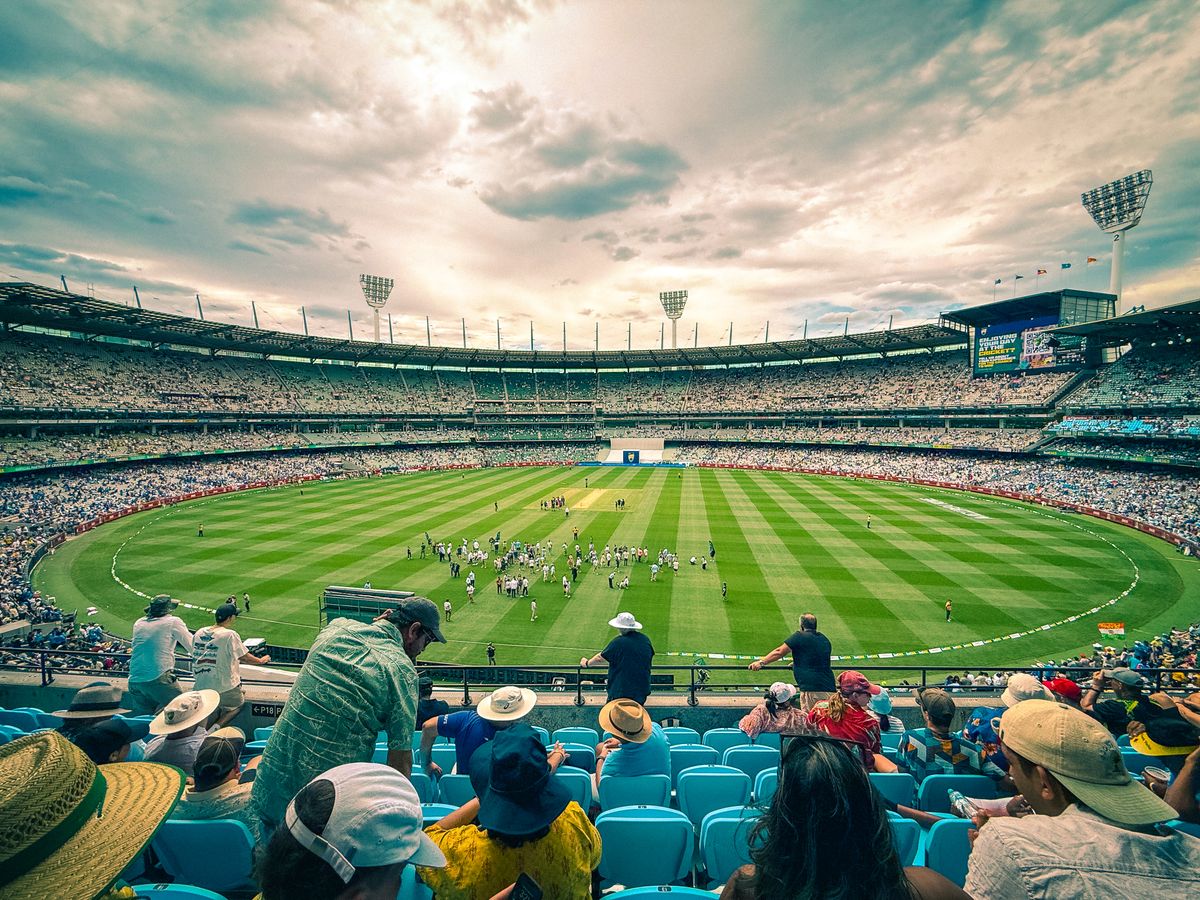
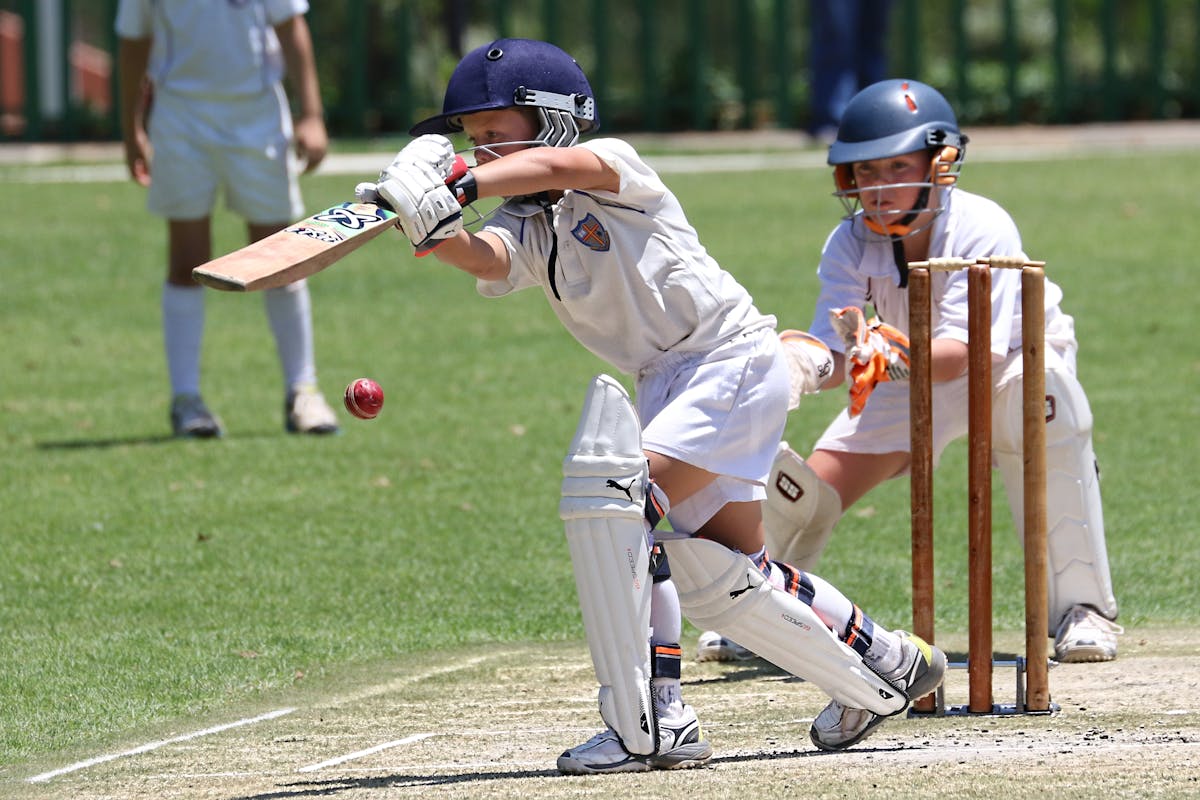
Cricket is unusual among major sports in that it is played in several distinct formats, each with its own rhythm, strategy, and appeal. A newcomer can be forgiven for confusion when one match lasts five days and another is over in an evening. Understanding the three main formats, Test, One Day International, and Twenty20, unlocks the whole sport.
First, the shared basics. Cricket is played between two teams of eleven players on a large oval field with a rectangular strip in the middle called the pitch. One team bats, trying to score runs, while the other bowls and fields, trying to dismiss the batters and limit runs. A "run" is scored when batters run between the wickets or when the ball is hit to the boundary, worth four runs along the ground or six in the air. The bowling is delivered in sets of six balls called "overs." The key difference between formats is largely how many overs are played and how much time the match lasts.
Test cricket is the oldest and longest format, and many consider it the ultimate examination of skill. A Test match is played over up to five days, with each team batting twice (two "innings" each). There is no limit on overs per innings; a team bats until it is bowled out or chooses to declare. This length allows for extraordinary tactical depth, shifting momentum, and the influence of changing weather and pitch conditions. Players wear traditional white clothing and use a red ball. A Test can even end in a draw if neither side achieves victory in the time available, which sounds strange but produces some of the sport's most gripping tension as a team battles to survive.
One Day International cricket, or ODI, was created to deliver a guaranteed result in a single day. Each team faces a fixed limit of 50 overs, so the match has a natural time frame of several hours. Because batting time is limited, ODIs are more aggressive than Tests, with teams balancing the need to score quickly against the risk of losing wickets. Players typically wear coloured clothing and use a white ball. The Cricket World Cup, one of the sport's showpiece events, is contested in this format.
Twenty20, or T20, is the shortest and most explosive format. Each team faces just 20 overs, so an entire match is often completed in around three hours, similar to an evening at other major sports. With so little time, batting is relentlessly attacking, big hitting is prized, and every ball carries weight. T20's fast, entertaining nature has fuelled hugely popular franchise leagues around the world and helped cricket reach new, younger audiences. There are also international T20 tournaments that crown world champions in the format.
Each format rewards different skills. Test cricket favours patience, technique, and stamina. ODIs demand a blend of caution and aggression and the ability to build an innings. T20 prizes power, improvisation, and nerve under pressure. Many players specialise, while the greatest all-format cricketers are celebrated precisely because excelling across all three is so difficult.
Understanding these three formats is the key to enjoying cricket. Whether you are drawn to the slow-burning drama of a five-day Test, the balanced contest of a one-day match, or the fireworks of a T20, they are all recognisably cricket, just played at very different speeds.
About Rohit Patel
Rohit Patel is a sports journalist covering Cricketand major international sporting events. Their work focuses on analysis, athlete performance, tournament coverage, and breaking sports news.