Olympic swimming is one of the highlights of the Games, packed with dozens of races across different strokes and distances. To a newcomer, the programme can seem like a confusing list of numbers and stroke names. But the events follow a clear logic, organised by stroke, by distance, and by format. Understanding how they fit together makes the sport far easier and more thrilling to follow.
First, the pool itself. Olympic swimming is contested in a "long course" pool, which is 50 metres in length. This standard distance shapes everything: a 100-metre race means two lengths of the pool, a 200-metre race four lengths, and so on. Knowing the pool is 50 metres long lets you instantly picture how many lengths any race involves.
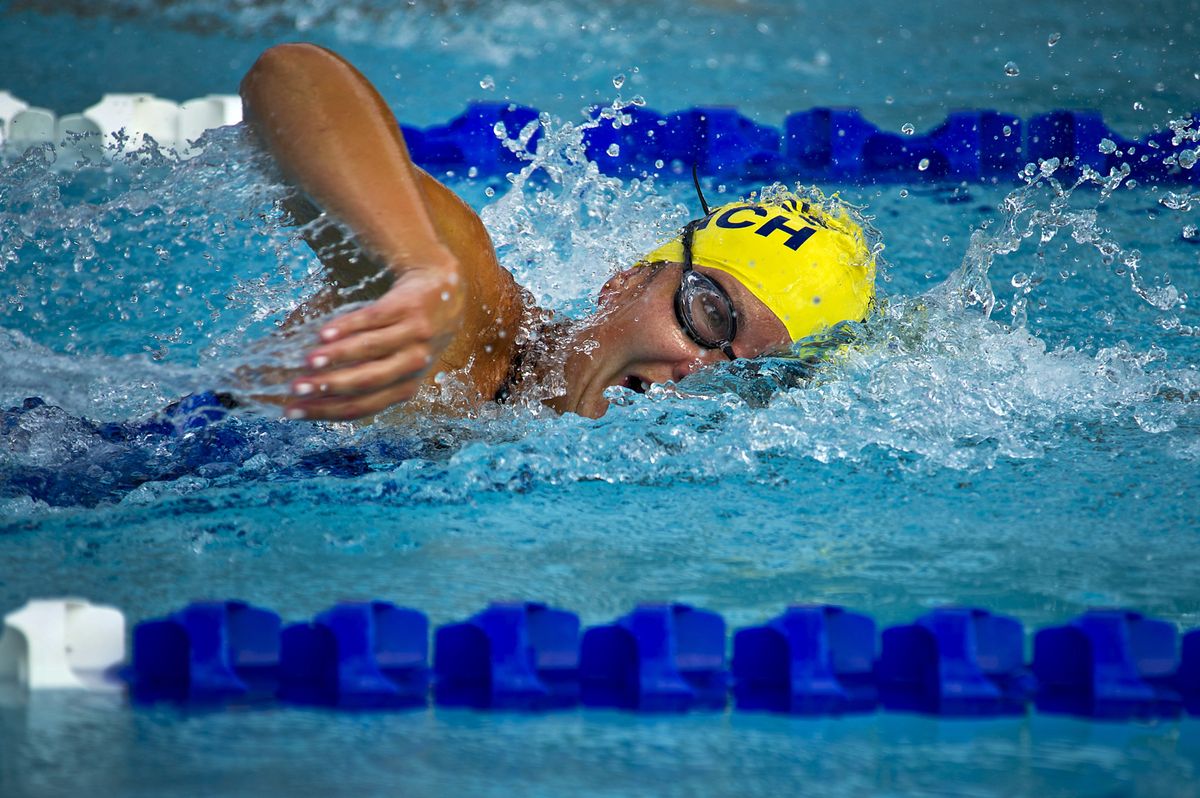
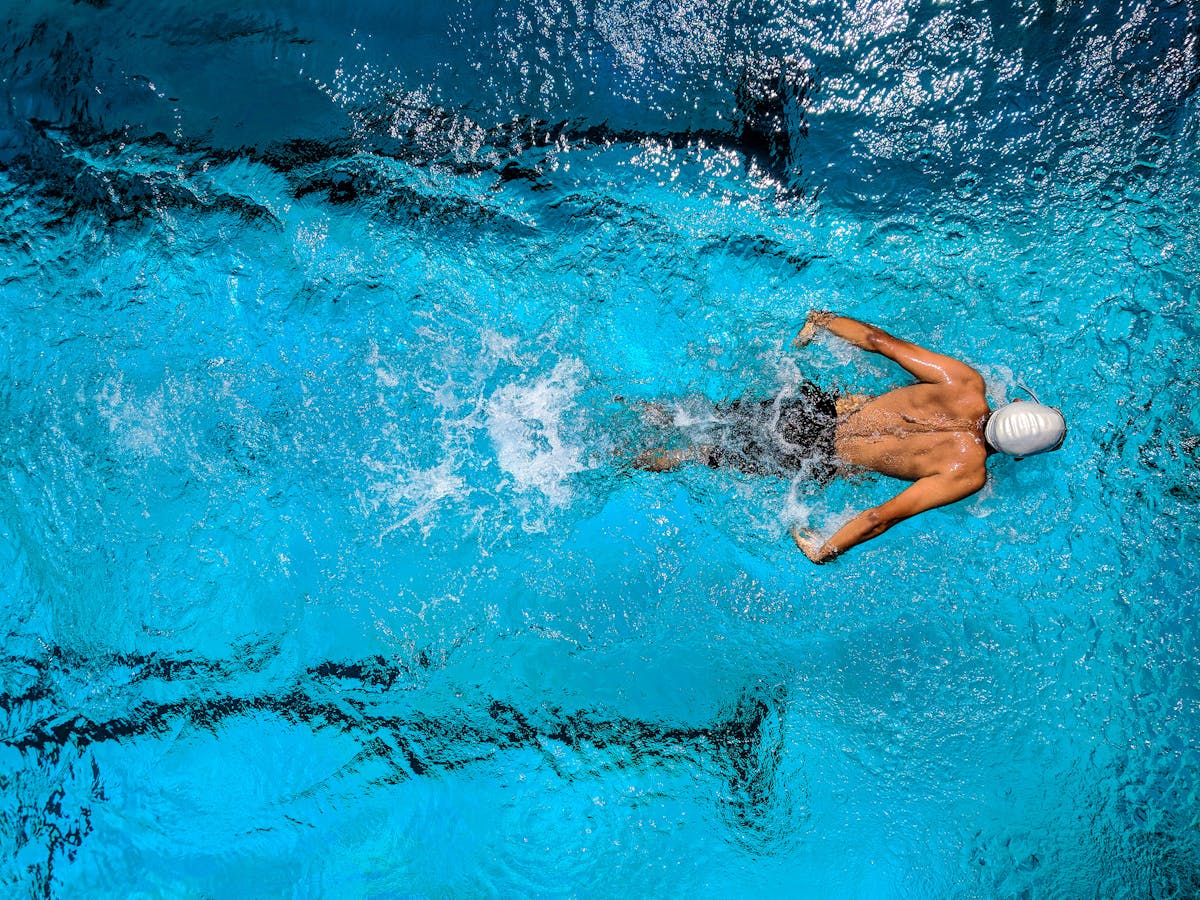
The events are organised around the four competitive strokes, freestyle, backstroke, breaststroke, and butterfly, plus combined-stroke events. Freestyle, the fastest stroke, is contested over the widest range of distances, from short sprints all the way up to long-distance races. The other three strokes, backstroke, breaststroke, and butterfly, are typically raced over shorter distances. This is why the swimming programme features many freestyle events of varying lengths but fewer, shorter races in the other strokes.
Distances define the character of each race. The shortest sprints, such as the 50-metre freestyle, are explosive, all-out dashes decided in around twenty seconds, where a single mistake off the start or at the finish can cost a medal. Middle-distance races, like the 100 and 200 metres, blend speed with the ability to sustain a fast pace and manage turns. The longer freestyle events, stretching to 800 and 1500 metres, are gruelling tests of endurance and pacing, where swimmers must judge their effort carefully over many lengths rather than sprinting from the start. Each distance rewards a different balance of speed, stamina, and race craft, and swimmers often specialise accordingly.
Then there are the combined events. In the individual medley, a single swimmer must perform all four strokes within one race, in a set order: butterfly, backstroke, breaststroke, and finally freestyle. Contested over 200 and 400 metres, it is a demanding test of all-round ability, since a swimmer must be proficient in every stroke rather than just one. The relays add a team dimension: four swimmers each swim a leg, and the exchanges between them, where the next swimmer dives in as the previous one touches, become moments of high drama. Freestyle relays have all four swimmers swimming freestyle, while the medley relay has each of the four swimmers perform a different stroke, in the order backstroke, breaststroke, butterfly, and freestyle.
The competition itself is usually structured in rounds to whittle a large field down to the best. Swimmers first compete in heats, and the fastest times advance to the next stage. In many events, this leads to semifinals and then a final, where the top eight swimmers race for the medals. Because only times matter, and the margins are often astonishingly small, this format ensures that the swimmers who reach the final are those in the best form, and that the medals are decided in a single climactic race.
Beyond the pool, the Olympic swimming programme also includes marathon swimming, a long-distance race held in open water such as a lake or the sea, testing endurance and navigation over a far greater distance than any pool event.
Once you understand the 50-metre pool, the four strokes and the distances they are raced over, the all-round challenge of the medley, the drama of the relays, and the heats-to-final format, Olympic swimming comes into focus. What first looks like an overwhelming list of events becomes a well-organised programme, each race a distinct test of speed, endurance, technique, or teamwork.
About James Carter
James Carter is a sports journalist covering Swimmingand major international sporting events. Their work focuses on analysis, athlete performance, tournament coverage, and breaking sports news.