To someone new to motorsport, all car racing can look broadly the same: fast cars going around a track. But the three biggest racing series in the world, Formula 1, IndyCar, and NASCAR, are strikingly different in their cars, their circuits, and their character. Understanding what sets them apart makes each far more enjoyable to watch.
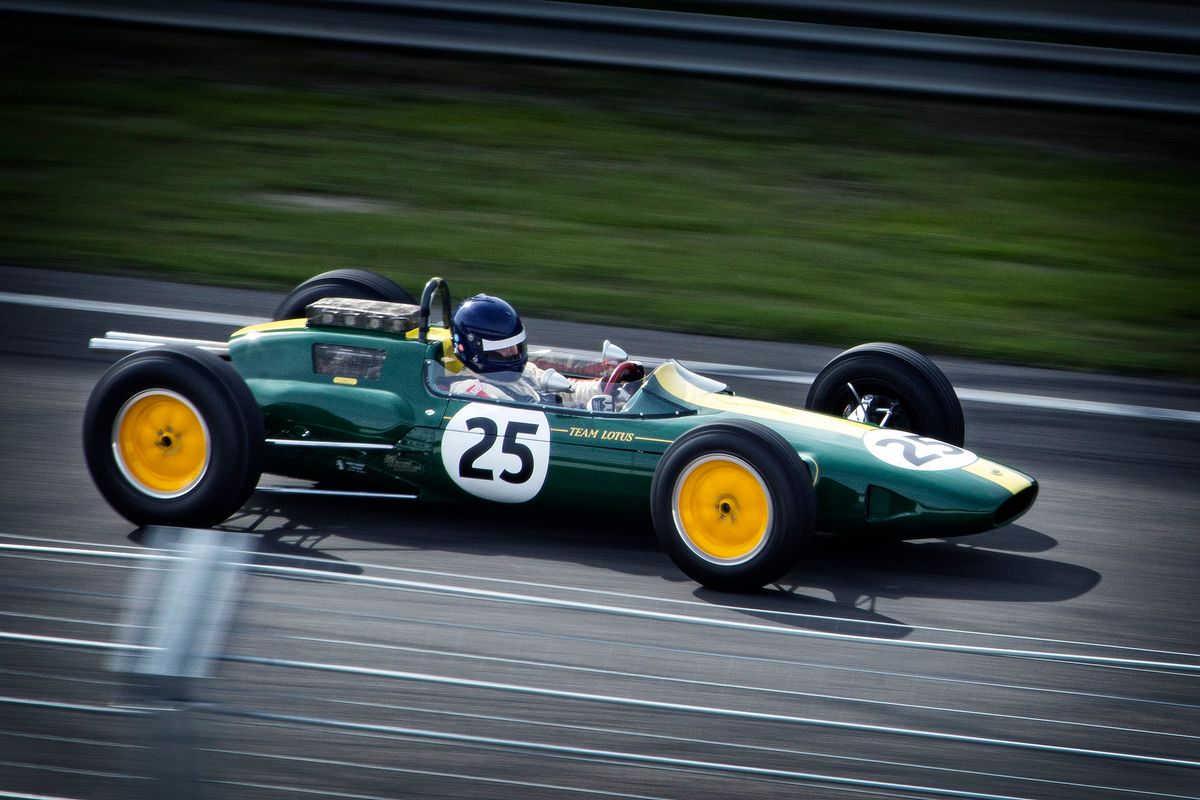
The most fundamental difference is the type of car each series uses. Formula 1 and IndyCar both feature "open-wheel" cars, meaning the wheels are exposed outside the bodywork, and the driver sits in a single-seat cockpit in a low, aerodynamic machine that looks almost like a jet fighter on wheels. NASCAR, by contrast, races "stock cars," which are heavier vehicles with enclosed wheels and bodies that resemble (in silhouette, at least) ordinary road cars. This basic distinction in car design shapes almost everything else about how the three series race.
Formula 1 is the global pinnacle of open-wheel racing and, many would argue, of motorsport technology overall. It is an international championship, travelling to countries across the world, and races primarily on road courses and street circuits, twisting tracks with a mixture of corners and straights. F1 places enormous emphasis on cutting-edge engineering, aerodynamics, and hybrid engine technology, with teams spending vast sums to develop their cars. The result is the fastest cars in the world through corners and a sport where technology and strategy are as important as driving skill.
IndyCar is the premier open-wheel series in the United States, and while its cars look somewhat similar to F1's, the series has a very different flavour. A defining feature of IndyCar is its variety of tracks: over a season, it races on a mixture of superspeedway ovals, permanent road courses, and temporary street circuits. Racing on high-speed ovals, where cars run flat out around banked turns in close packs, requires a completely different set of skills from twisting road courses. The series is also known for closer competition between teams, since the cars are more standardised than in F1. Its crown jewel is the Indianapolis 500, one of the most famous races in all of motorsport, a 500-mile test of speed and endurance on the legendary Indianapolis oval.
NASCAR is America's most popular stock-car series and has a character all its own. Its heavy, powerful cars race predominantly on oval tracks, often in enormous packs running just inches apart at high speed. This produces a distinctive style of racing built around "drafting," where cars run nose-to-tail to reduce air resistance and gain speed, leading to constant jockeying, dramatic overtakes, and the ever-present risk of large multi-car crashes. NASCAR races tend to be long, and the close-quarters, contact-tolerant nature of stock-car racing gives it a raw, gladiatorial appeal. Its most famous event is the Daytona 500.
The three series also differ in their traditions and fan cultures. F1 has a glamorous, international, technology-focused image. IndyCar blends the drama of ovals with road-course skill and is proudly American while attracting drivers worldwide. NASCAR is deeply rooted in American culture, with passionate fans and a heritage tied to its origins in the southern United States.
None of these series is objectively "better", they simply offer different kinds of racing. F1 rewards engineering brilliance and precision on complex circuits, IndyCar prizes versatility across wildly different tracks, and NASCAR delivers the thunderous spectacle of stock cars battling in a pack. Once you understand the differences in cars, circuits, and culture, you can appreciate each on its own terms, and perhaps discover which style of racing speaks to you most.
About Marcus Webb
Marcus Webb is a sports journalist covering Motorsportand major international sporting events. Their work focuses on analysis, athlete performance, tournament coverage, and breaking sports news.