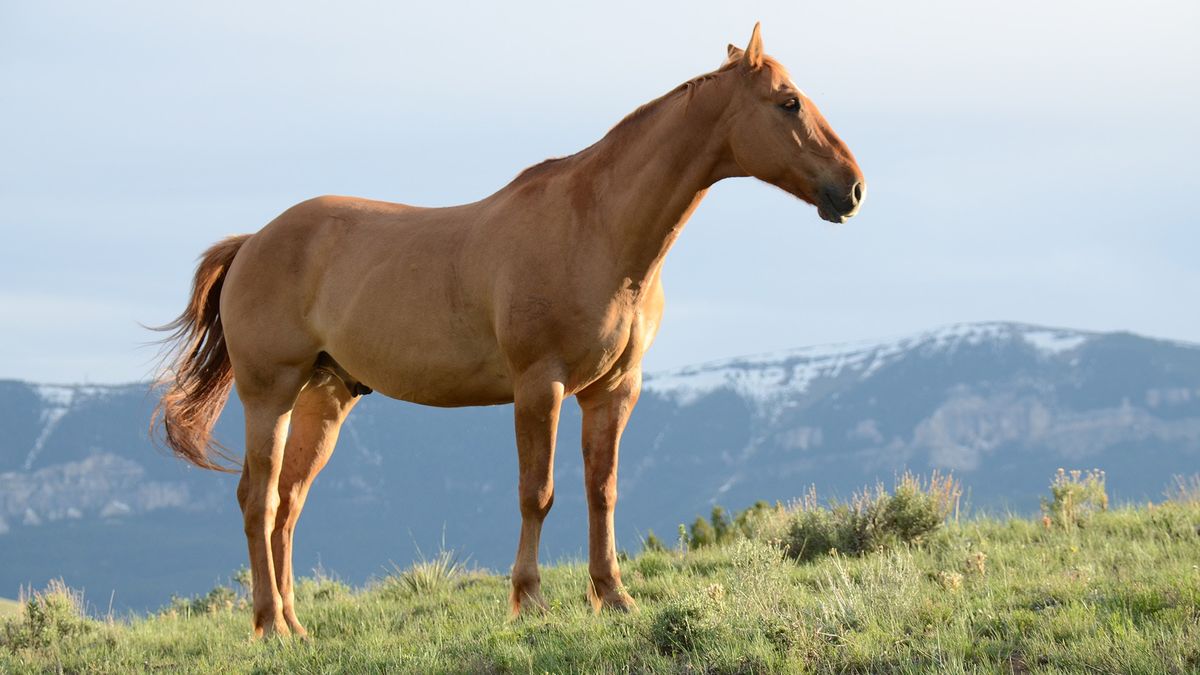
Horse racing is one of the oldest organized sports in the world, and while its traditions run deep, the basics are easy to grasp. Understanding a few key terms turns a confusing blur of horses and numbers into a sport you can genuinely follow.
There are two main types of horse racing. Flat racing is run on level ground over a set distance, with no obstacles, and is all about speed and stamina. Jump racing, also called National Hunt racing, sends horses over hurdles or larger fences and tests jumping ability and endurance as well as pace. The Thoroughbred is the breed most associated with elite racing, bred over centuries specifically for speed.
Race distances are measured in furlongs. One furlong equals 220 yards, and eight furlongs make one mile. Short races of five or six furlongs are sprints that reward raw speed, while longer races of a mile and a half or more test stamina and tactical judgment. When you see a race listed as "six furlongs" or "a mile and a quarter," that is simply telling you how far the horses must run.
Every horse carries a jockey, the rider whose job is to manage the horse's energy, find the best position, and time a run to the finish. Behind each horse is a trainer, responsible for the animal's fitness and race preparation, and an owner. Horses are assigned to races based on age, sex, and ability, and many races are handicaps, in which better horses carry more weight to give the field a fairer chance.
Some of the sport's most famous events form the American Triple Crown: the Kentucky Derby, run over a mile and a quarter at Churchill Downs in Louisville; the Preakness Stakes; and the Belmont Stakes. Winning all three in a single season is one of the rarest achievements in sport. Britain and Ireland have their own classics, including the Derby at Epsom and the Grand National, a marathon jump race at Aintree.
Betting has always been woven into racing, and the odds you see reflect how likely the public and bookmakers think each horse is to win. Odds of 2-1 mean a winning bet returns two units of profit for every one staked, plus your stake back. Favorites have short odds; long shots have big odds and bigger potential payouts. You do not need to bet to enjoy racing, but understanding odds helps you read which horses are fancied.
A race unfolds in recognizable phases. Horses load into the starting gate (or, in jump racing, line up behind a starting tape), break at the start, settle into position during the middle of the race to conserve energy, and then make their move as the field turns for home. The finish is judged at the line, and in extremely close races, officials use a photo finish camera to determine the winner by a nose, a head, or a neck.
Track conditions matter more than newcomers expect. The "going" describes how firm or soft the ground is, ranging from firm to heavy. Some horses handle soft, wet ground well; others need firm footing to run their best. Reading the going, the distance, and a horse's past form together is the heart of handicapping.
Whether you are drawn to the pageantry of a big race day, the athleticism of the horses, or the puzzle of picking a winner, horse racing rewards a little knowledge enormously. Learn the distances, the roles of jockey and trainer, and the major races, and you will find a centuries-old sport that suddenly makes sense.
About Eleanor Pierce
Eleanor Pierce is a sports journalist covering Horse Racingand major international sporting events. Their work focuses on analysis, athlete performance, tournament coverage, and breaking sports news.