In tennis, four tournaments stand above all others: the Australian Open, the French Open, Wimbledon, and the US Open. Together they are known as the Grand Slams, or the majors, and winning them is the ultimate measure of greatness in the sport. Each has its own history, surface, and character, and understanding them is key to following the tennis calendar.
The Grand Slams are the four most prestigious tournaments of the year, offering the most ranking points, the largest prize money, and the greatest prestige. They are spread across the season, one roughly every few months, giving the tennis year a natural rhythm as players build toward each major.
The season's first major is the Australian Open, held in Melbourne in January. Played on hard courts in the middle of the southern-hemisphere summer, it is famous for its sometimes extreme heat and its lively, festive atmosphere. As the first big event of the year, it often sets the tone for the season and can produce surprising early results as players find their form.
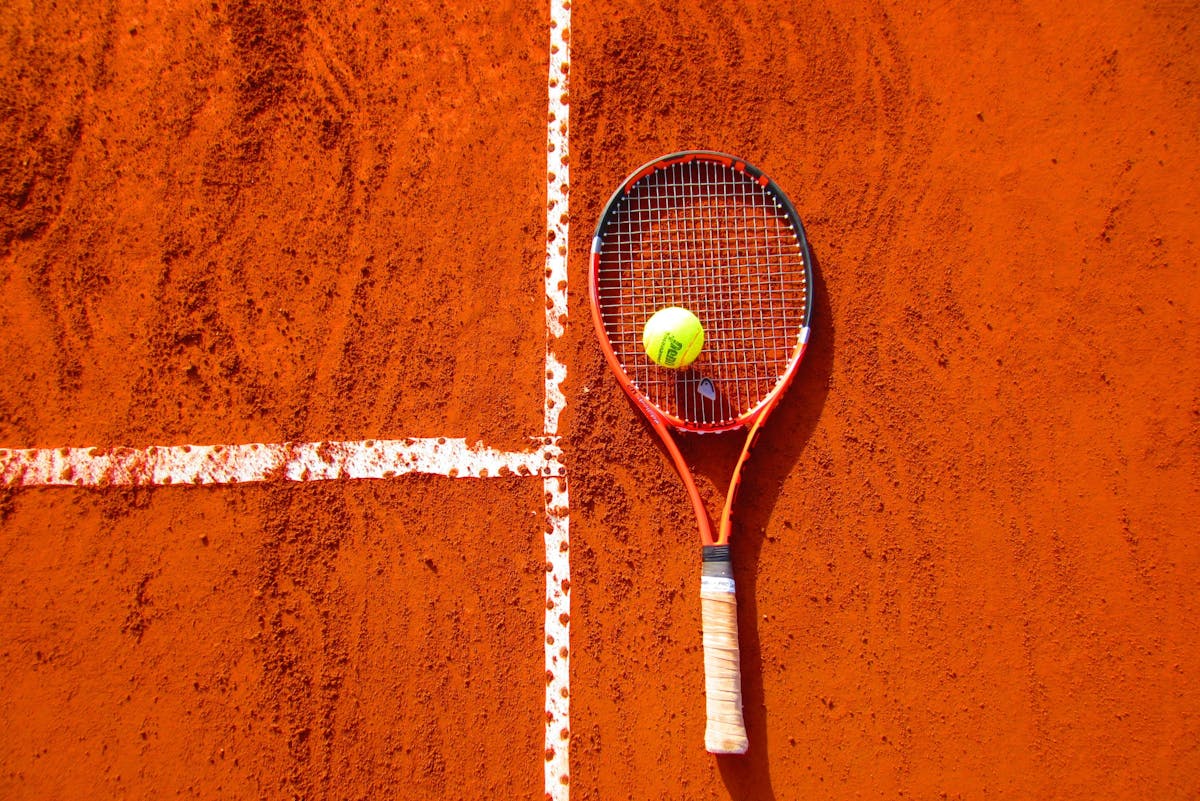
Next comes the French Open, played in late May and early June in Paris at the Roland Garros complex. It is the only major contested on clay, a slow surface that produces long, gruelling rallies and rewards patience, stamina, and topspin. Clay is the most physically demanding surface, and the French Open is widely regarded as a test of endurance and mental toughness as much as pure shot-making. Specialists who thrive on clay can dominate here even if they struggle elsewhere.
Then comes Wimbledon, held in London in late June and early July. It is the oldest and most traditional of the four, first played in the 1870s, and the only major still contested on grass. Grass is a fast, low-bouncing surface that historically favoured big servers and attacking players. Wimbledon is steeped in tradition, from its strict all-white dress code for players to its famous strawberries and cream, and it carries a unique aura of history and prestige.
The final major of the year is the US Open, played in New York in late August and September. Returning to hard courts, it is known for its loud, energetic crowds, its bright lights, and its willingness to embrace spectacle. As the last major, it often carries season-defining significance, and its electric night sessions have produced some of the sport's most memorable dramas.
The variety of surfaces, hard, clay, and grass, is a defining feature of the majors and one of the things that makes tennis so demanding. Each surface changes the speed and bounce of the ball and rewards different styles of play, so excelling across all four requires extraordinary versatility.
That difficulty gives rise to two celebrated achievements. Winning all four majors over the course of a career is known as a Career Grand Slam, a rare feat reserved for the sport's true greats. Winning all four in a single calendar year, the "Grand Slam" itself, is rarer still and stands as one of the most extraordinary accomplishments in all of sport.
Once you know the four majors, when they fall, and what surfaces they are played on, the tennis season comes into focus. Each Grand Slam becomes a distinct challenge, and the players who conquer all of them earn their place among the legends of the game.
About Anna Kowalski
Anna Kowalski is a sports journalist covering Tennisand major international sporting events. Their work focuses on analysis, athlete performance, tournament coverage, and breaking sports news.